Liquidation is the most feared event in futures trading. Simply put, when your losses are too large and your margin is insufficient, the system automatically force-closes your position. Once liquidated, the margin for that trade is completely lost. Understanding liquidation mechanics and prevention is essential for every futures trader. Visit Binance to practice on a demo account first. Use the Binance Official App (Apple users, refer to the iOS Installation Guide) to practice anytime.
Precise Definition
Liquidation (forced liquidation) occurs when your position's loss reaches a point where account margin falls below the "maintenance margin" level, triggering the exchange's risk engine to market-close your position.
In isolated mode: liquidation means that position's margin is fully lost. In cross mode: liquidation can wipe out all funds in the futures account.
How Liquidation Is Triggered
Step 1: Open Position
You use 100 USDT as margin with 10x leverage for a 1,000 USDT BTC long at 30,000.
Step 2: Price Drops
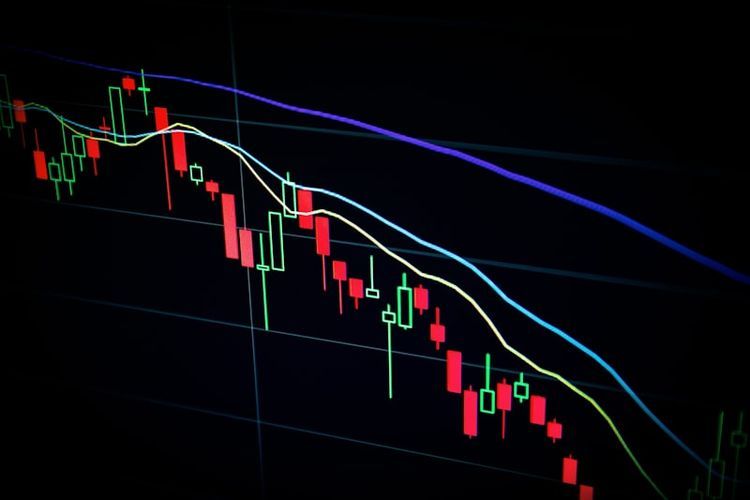
BTC drops, your position shows unrealized losses that erode your margin.
Step 3: Approaching Liquidation
When BTC falls to ~27,000 (10% drop), your unrealized loss approaches 100 USDT — your entire margin.
Step 4: Liquidation Triggered
System detects margin rate below maintenance requirement, force-closes at market price. Your 100 USDT margin is fully lost.
Factors Affecting Liquidation Price
Leverage: Higher leverage = liquidation price closer to entry. 100x leverage: ~1% move can liquidate.
Margin mode: Isolated uses only position margin; Cross uses entire account balance.
Maintenance margin rate: Larger positions have higher rates, easier to liquidate.
Funding rate: Funding payments reduce margin, indirectly affecting liquidation price.
How to Avoid Liquidation
- Use low leverage: Lower leverage = more room. Beginners: max 5x.
- Always set stop-loss: Stop-loss is the most effective tool — far better than waiting for liquidation.
- Control position size: Use only 5–10% of total capital as margin per trade.
- Use isolated mode: Isolates risk per trade.
- Reduce before major events: Reduce positions or exit before Fed meetings, regulatory news, etc.

FAQ
Can I Recover Funds After Liquidation?
No. Margin is fully lost upon liquidation. This is why stop-loss is critical.
Is Cross Mode More Likely to Liquidate?
Cross mode has a further liquidation price, so individual liquidation is less likely. But when it happens, the entire account is at risk.
Do Exchanges Intentionally Cause Liquidations?
Legitimate exchanges don't. Liquidation prices follow transparent formulas. However, crypto markets do experience whale-driven price manipulation that can cause unreasonable liquidations.
Liquidation vs Stop-Loss?
Stop-loss is your proactive protection at a preset level. Liquidation is the system's passive last resort when margin is depleted. Stop-loss costs far less.
Safety Tips
- Futures trading carries liquidation risk — possible total loss of invested capital
- Never trade with money you can't afford to lose
- Monitor positions and liquidation prices via the Binance Official App
- First action after opening: set stop-loss. No stop-loss = no protection
- Stay calm during extreme conditions — follow your trading plan