Spot and futures are the two most common trading methods in the cryptocurrency market. Beginners often hear about "getting rich on futures" or "getting liquidated on futures" and feel both curious and afraid. Understanding the core differences between the two is essential for choosing the right trading method for your situation. In simple terms, spot trading is "buying the real thing and holding it," while futures trading is "betting on whether the price goes up or down."
What Is Spot Trading?
Spot trading is the direct exchange of one asset for another. After buying, you truly own the cryptocurrency.
Characteristics of Spot Trading:
- You actually own the coins after purchase and can withdraw them to a personal wallet
- No leverage, no liquidation risk
- You can only go long (buy low, sell high for profit)
- Maximum loss is limited to your principal
- No expiration date; you can hold indefinitely
What Is Futures Trading?
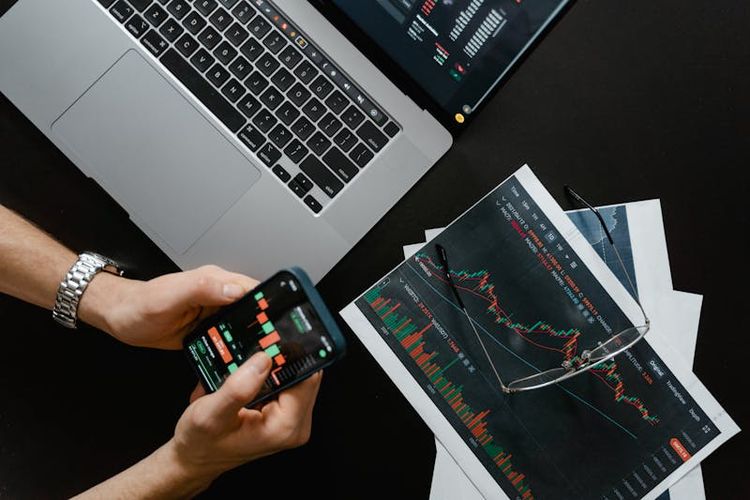
Futures trading is a derivatives trade where you don't need to actually hold the cryptocurrency. Instead, you profit by predicting whether the price will rise or fall.
Characteristics of Futures Trading:
- You don't hold the actual coin; you trade "price contracts"
- Leverage available (1x-125x), amplifying both gains and risks
- You can go long or short
- Liquidation risk exists; you may lose your entire margin
- Perpetual contracts have no expiry; delivery contracts have an expiration date
What Are the Core Differences Between Spot and Futures?
Asset Ownership:
- Spot: You own the actual cryptocurrency after buying
- Futures: You only hold a contract position, not the actual asset
Leverage and Risk:
- Spot: No leverage; you lose only what you invest, at most your full principal
- Futures: Leverage available; with 10x leverage, a 10% price move can wipe you out
Short-Selling Ability:
- Spot: You can only buy and wait for the price to rise; if it drops, you either take the loss or hold
- Futures: You can go short and profit even when prices fall
Holding Costs:
- Spot: No holding fees
- Futures: Perpetual contracts require periodic funding rate payments
Barrier to Entry:
- Spot: Simple operation, beginner-friendly
- Futures: Requires understanding leverage, margin, liquidation price, and more
How Does Leverage Work in Futures Trading?
Leverage allows you to control a larger position with a smaller amount of capital:
Example: You have 1,000 USDT
- Spot trading: You can only buy 1,000 USDT worth of BTC
- 10x futures: You can open a BTC position worth 10,000 USDT
The Double-Edged Sword of Leverage:
- BTC rises 10%: Spot profit is 100 USDT (10%), 10x futures profit is 1,000 USDT (100%)
- BTC falls 10%: Spot loss is 100 USDT (10%), 10x futures loss is 1,000 USDT (100%, triggering liquidation)
Leverage amplifies profits but also multiplies risk proportionally.
Should Beginners Choose Spot or Futures?
Beginners are strongly recommended to start with spot trading. Here's why:
- Spot trading has no liquidation: Even if the price drops 50%, you still hold your coins
- Low learning curve: Simple and easy to understand
- More stable mindset: No leverage pressure, no need to watch the market constantly
- Room to maneuver: You can average down or wait for a rebound after a dip
When Can You Try Futures:
- At least six months of spot trading experience
- Some foundation in technical analysis
- Understanding of risk management and position sizing
- Start with small amounts and strictly control leverage
- Be mentally prepared to lose your entire futures fund
If you're a beginner, first register on Binance and start learning with spot trading. Consider futures only after mastering the basics.
Safety Reminders
When choosing a trading method, keep the following safety considerations in mind:
- Beginners should stay away from futures: A large number of beginners lose money or get completely liquidated in futures trading
- Never borrow money for futures: Leverage already amplifies risk; borrowing money to add leverage is the most dangerous thing you can do
- Futures is not gambling: If you cannot control your trading impulses, do not activate futures
- Spot trading also carries risks: Although spot won't liquidate you, crypto prices are highly volatile and can still result in significant losses
- Always set stop-losses: Whether spot or futures, a stop-loss is your last line of defense
- Only invest what you can afford to lose: Cryptocurrency investment should not exceed 5%-20% of your total assets
Does Futures Trading Always Lose Money?
Not necessarily, but statistics show that over 90% of futures traders end up losing money. Futures trading demands extreme discipline, risk management ability, and market judgment. If you think you can easily make money in futures, the market will likely prove you wrong.
How Much Can You Make with Spot Trading?
Spot trading returns depend on which coin you buy and when. In a bull market, mainstream coins can return 100%-500% annually. But in a bear market, mainstream coins can also drop 50%-80%. The historical annualized return of long-term BTC holding is approximately 30%-50%.
Can You Do Both Spot and Futures at the Same Time?
Yes. Many experienced traders allocate most of their capital to long-term spot holdings and a small portion to short-term futures trades. This way, they can benefit from long-term growth while also capturing short-term volatility through futures. The key is to control the proportion of capital allocated to futures.
Can I Hedge My Spot Losses by Shorting on Futures?
In theory, yes — this is called a "hedging" strategy. However, it's very difficult to execute in practice, requiring precise calculation of hedge ratios and timing. For beginners, rather than learning to hedge, it's better to simply set stop-losses on your spot positions. Hedging strategies are more suited to professional investors with large holdings to protect.
Why Do So Many People Trade Futures Despite Knowing It's Risky?
Because the high returns from leverage are extremely tempting. Seeing others make 10x returns with 10x leverage is hard to resist. But most people only see the success stories and ignore the far more numerous painful liquidation experiences. If you decide to try futures, start with the lowest leverage (2-3x) and the smallest position. Download the Binance app, iPhone users can refer to the iOS installation guide to practice futures trading on a demo account first.